
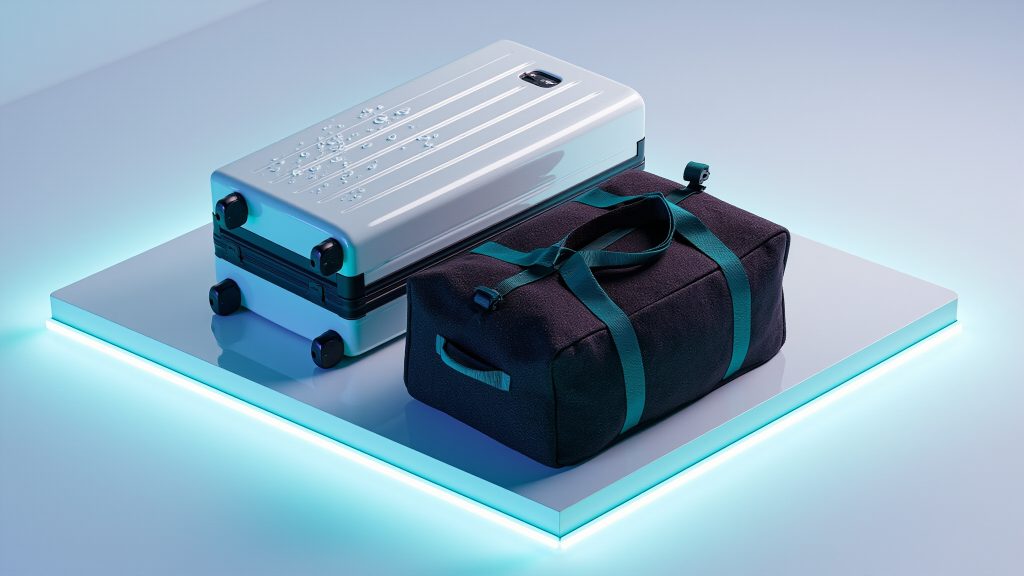
Hard vs Soft Luggage: The Trade-Off You Need to Know
There’s no universal winner in the hard vs soft luggage debate. Just trade-offs. Hard shells shrug off impacts and rain, while softside bags flex into overhead bins and expand for souvenirs. The real question isn’t which is better hardside or softside luggage in the abstract though. It’s which failure mode you can live with after.
A rough TSA screening or a sudden downpour in Atlanta.
By 2026, both categories have evolved a lot really. Polycarbonate blends now resist cracking better than ever, and softside fabrics use waterproof coatings that rival hard cases. But you still can’t get everything in one bag.
This guide breaks down the evidence: drop tests, packing density, and real-world weather exposure. You’ll know whether a suitcase hard or soft shell fits. Your travel style before you drop $300 at REI or Amazon.
Durability Showdown: Impact, Scratches, and Long-Term Wear
So, are hard shell luggage good for the long haul honestly? It comes down to physics and materials. Most hard cases use polycarbonate or ABS, two of the most common hard suitcase materials out there. Polycarbonate flexes under pressure and springs back, which is why it handles baggage-handler tosses better than rigid ABS. But neither is indestructible.
A hard shell can crack if it takes a sharp. Concentrated hit, like landing corner-first on a concrete curb. And yes, scratches are part of the deal. White scuffs on dark shells show up after just one trip through the carousel. If you’re weighing durability across both types, our hard shell vs soft shell luggage durability comparison digs deeper into long-term testing data.
Soft-side bags, meanwhile, rely on ballistic nylon or polyester to shrug off abrasion. They’ll slide across conveyor belts and scrape against truck walls without showing much wear. The weak links are the zippers and seams. One blown-out zipper track or a ripped stitch line can end a bag’s life faster than any impact. In real-world tests, baggage handlers don’t gently place bags.
They toss them into cargo holds. In crushing scenarios. Like a 50-pound suitcase landing on top of yours, hard shells protect contents better because the shell distributes force.
Soft bags compress, and that pressure transfers straight to your belongings though.
Long-term wear tells a different story. Soft shells fade in sunlight and can tear at stress points after years of use. Hard shells may lose their shape at the corners. Developing hairline stress fractures that don’t fail immediately but weaken over time. So, will your stuff survive a flight?
Both can. But if you’re checking a bag and want maximum impact protection, a hard shell wins. Even a hardside luggage cheap option from a discount retailer beats a soft bag in a drop test.
Water Resistance: Rain, Spills, and Checked Baggage Reality
Let’s be honest: no suitcase is truly waterproof unless it’s a dry bag with a roll-top closure. The real question in the hard vs soft luggage durability water resistance packing flexibility debate is how each. Shell type handles the messy realities of travel-and the answer depends on where the water is coming from really.
Hard shell luggage wins the rain test almost every time. Polycarbonate and. ABS shells are inherently water-resistant; water beads up and rolls off the surface rather than soaking in really. The weak points are the zipper track and the seam where the two halves meet. In a steady downpour.
Those areas can let moisture seep through, especially if the bag is lying on its side. But for a hard shell small suitcase rolling upright through a parking lot, your clothes stay remarkably dry.
The benefits of hard shell luggage extend to checked baggage too: if a leaky shampoo bottle or a wet swimsuit in a neighboring bag bursts open in the cargo hold. Your hard shell acts like a shield, deflecting liquids before they ever touch your belongings.
Soft shell luggage is a different story. The fabric-usually nylon or polyester-will absorb water, and once saturated, it stays wet for hours. Most manufacturers apply a durable water-repellent (DWR) coating. Which helps light rain bead off initially, but that coating wears down after a few trips through airport conveyor belts. The zippers are the primary entry point for moisture.
And on soft bags, they’re often more exposed and less protected than on hard shells. Worse, soft fabric can absorb odors from spilled liquids in the cargo hold-imagine your. Duffel picking up the scent of someone else’s spilled coffee for the entire flight.
Real-world scenario: You’re sprinting through a downpour at JFK’s Terminal 4. Or waiting on the tarmac in Seattle’s drizzle while the ground crew loads your bag. Both shell types get wet. But when you open the bag at baggage claim. The hard shell keeps your clothes dry; the soft shell might leave your t-shirts damp around the edges, especially if the zipper was facing up.
Practical tip: Regardless of shell type. Pack your electronics and toiletries in packing cubes or a dedicated dry bag. This adds a second layer of defense that costs under $20 and. Turns any suitcase into a far more water-resistant option. For checked bags.
Also consider a waterproof liner-it’s cheap insurance against both rain and the unpredictable contents of other people’s luggage.
Packing Flexibility: Expansion, Organization, and the Overpacking Dilemma
Soft-sided luggage wins the flexibility contest before you even unzip it. Those exterior pockets are perfect for stashing a tablet, boarding pass, or a half-eaten snack bar mid-trip. The expansion gusset adds two to three inches of depth when you need it. And the forgiving fabric stretches around that extra pair of jeans you swore you’d wear. For families.
Those quick-access pockets are a lifesaver when your kid needs a crayon or a pacifier at the gate.
Hard shells, by contrast, force discipline. The rigid structure means what you pack is what fits-no fudging. But the interior dividers and. Compression straps in a quality rolling hard shell suitcase actually help you organize better than a soft bag’s black hole. You’ll roll clothes into neat bundles, strap them down, and close the lid with satisfying precision.
Here’s the overpacking dilemma: soft shells let you stuff more, but that’s exactly the problem. A bulging soft bag often exceeds airline size limits.
And when it won’t fit the sizer, you’re stuck paying a checked-bag fee. A hard cabin suitcase slides into overhead bins effortlessly-no wrestling, no gate-check anxiety. That’s the real advantage of hardside luggage for carry-on travelers: the dimensions are fixed. So you’re never surprised at the gate. If you’re shopping for a carry-on specifically, check our guide to hard shell carry-on luggage mistakes to avoid before you buy.
For family trips. Soft shells’ pockets win for convenience, but hard shells’ wipe-clean interiors handle spilled juice or melted crayons far better. Choose based on your chaos tolerance really.
Weight, Wheels, and Maneuverability: Does Hard Shell Weigh More?
Let’s answer the big question first: does hard shell luggage weigh more? Yes. Usually by 1-2 lbs, but that gap has shrunk a lot. Modern polycarbonate shells are way lighter than the older ABS plastic models.
A 24-inch hard shell now lands around 8-10 lbs, while a comparable soft shell sits at 6-8 lbs honestly. That difference really shows up when you’re eyeing a 50 lb checked-bag limit at the Delta counter.
Especially if you’re packing heavy winter gear for a Chicago trip. If weight is your top concern, our roundup of lightweight luggage for international travel highlights options that won’t eat into your allowance.
As for hard sided suitcases wheels, both styles come with four spinner wheels these days. But hard shells often glide smoother because the rigid base keeps the wheel housings perfectly aligned. Soft shells can flex under load, which sometimes means a slight wobble on carpeted hotel hallways.
Maneuverability isn’t one-sided, though. Soft shells are easier to muscle into overhead bins on a packed Southwest flight. While hard shells roll better over uneven sidewalks-think the long O’Hare corridors or Denver’s outdoor shuttle stops. When you’re weighing hard vs soft luggage durability water resistance packing flexibility. Keep in mind that weight and wheel feel are just two pieces of the puzzle honestly.
Your own strength and the airports you frequent should drive the final decision.
Decision Matrix: Which Suitcase Fits Your Travel Style?
The answer to which is better hardside or softside luggage isn’t one-size-fits-all really. It depends on how you pack, where you’re headed, and what you’re hauling. Here’s the breakdown.
Business traveler: A hard shell wins for laptop protection and that polished, executive look rolling through airport terminals. But if you’re carrying suits, a soft shell with a dedicated suit compartment keeps creases at bay. Many road warriors keep both: hardside for the outbound flight, softside for the garment bag.
Family on a budget: Hardside luggage cheap options from Walmart or Target really. (think $40-$80 range) offer surprising durability for kids who’ll toss bags around. Soft shells. Though, forgive overstuffed backpacks and souvenir-stuffed duffels when you’re cramming five people’s worth of gear into one car trunk.
Adventure traveler: Soft shell with external straps lets you lash on trekking poles, boots, or a tent. Hard shells are better for fragile equipment-camera gear, climbing hardware-that needs crush-proof protection.
Frequent flyer: Hard shells shrug off baggage-handler abuse flight after flight. But soft shells expand for return trips when you’ve bought gifts or stocked up on local goods.
| Traveler Type | Best Choice | Why |
|---|---|---|
| Business | Hard shell (or both) | Laptop safety. Professional image |
| Family on budget | Hard shell (cheap) | Walmart/Target value, impact resistance |
| Adventure | Soft shell | External straps, flexible packing |
| Frequent flyer | Hard shell + soft expandable | Durability + return-trip capacity |
Are hard shell luggage good? Yes-for structure, security, and weather resistance. But soft shells remain unbeatable for flexibility. Match the shell to your trip, not the trend.
Verdict: The 2026 Bottom Line
After weighing every angle of the hard vs soft luggage durability water resistance packing flexibility debate. The honest answer is: there’s no one-size-fits-all winner. It comes down to how you travel. If you check bags on rough flights.
Deal with rainy gate waits, or pack fragile items like electronics or souvenirs, the benefits of hard shell luggage are undeniable-polycarbonate shells shrug off impacts and keep moisture out far better than fabric. But if you’re a road-tripper who overpacks. Needs to squeeze a jacket into an already-full bag, or hates paying overweight fees, soft-sided wins on flexibility and lighter weight. My final recommendation?
Head to REI or Macy’s and test both in person-zip, lift, and roll them around honestly. A hard shell small suitcase might feel perfect for a weekend carry-on. But only you know your packing style. Check the warranty (most good brands offer 5-10 years) and the return policy before committing. If you’re leaning toward a checked bag, our picks for the best 26-inch hardside luggage in 2026 are a solid starting point.
What’s your experience-hard or soft? Drop a comment below or ask me anything; I’m happy to help you decide.
