
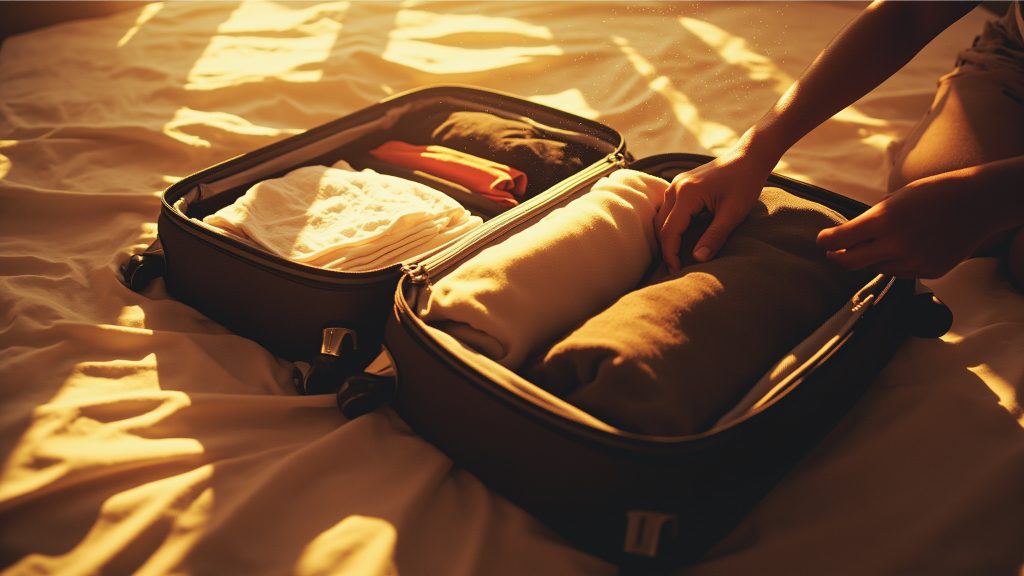
The Three Pillars of a Smart Luggage Packaging System
Any serious discussion of the best packaging systems luggage has to start with. A simple truth: the most effective setup isn’t a single product-it’s a workflow. For the frequent flyer or the minimalist traveler, that workflow rests on three interdependent pillars: compression, organization, and protection. When these work together, you stop fighting your suitcase and start moving through airports with intent.
Compression is the workhorse. High-quality compression bags-the roll-up or vacuum-seal varieties-can reduce the volume of bulky items like a down jacket. A chunky knit sweater, or a pair of jeans by up to 50%.
The key is to use them strategically: compress only the soft. Voluminous layers, not your dress shirts or anything that wrinkles easily. A compressed puffer coat takes up less space than a folded towel. Which frees up critical cubic inches for other gear.
Organization is what turns a packed bag from a black hole into a filing system. Luggage organizers-packing cubes, shoe pouches, and toiletry kits-keep every category in its own designated zone.
No more rummaging through a tangled mess at 6 a.m. in a hotel room. You pull out the cube labeled “shirts,” grab what you need, and zip it back. The system works because it imposes order on chaos.
Protection is the often-overlooked third leg. A durable luggage cover or a set of protective sleeves shields your bag from the scuffs. Dirt, and rain that are inevitable on any trip involving a baggage carousel or an overhead bin. This isn’t vanity-it’s longevity. A $30 cover can save you from replacing a $300 suitcase after a few hard seasons. If you’re weighing your options, check out this breakdown of cushioned luggage protector vs. plastic cover to see which actually saves your suitcase.
The real magic, though, is integration. The best systems don’t just offer these elements separately; they weave them into a repeatable routine. Compress the bulky stuff. Cube the rest, cover the whole thing, and you’ve built a system where every item has a place and your luggage arrives looking as good as it did when it left. That’s the difference between packing and preparing.
System Recommendations by Trip Length: 3, 7, and 14 Days
The 3-Day Weekend: Carry-On Minimalism
For a quick domestic hop – say. Chicago to Nashville for a long weekend – your best bet is a deliberately lean setup. Stick with two or three medium compression bags (one for shirts and. Tees, one for pants or shorts) plus a toiletry bag that hangs or lays flat. Skip the zippered organizers here honestly.
The goal is to keep weight under 15 pounds and fit everything into a standard 22-inch carry-on. Roll your socks and underwear into the gaps between bags, and you’ll clear TSA in under five minutes. If you’re shopping for the right bag to pair with this system, take a look at the best 22 inch lightweight luggage for short trips and budget airlines.
The 7-Day Standard: Balanced Versatility
A full week – think a business trip from New York to Los. Angeles or a family visit to Dallas – calls for a hybrid approach. Combine four to five packing cubes in varying sizes with a garment folder for blazers.
Dress shirts, or dresses that need to stay crisp. Add one medium compression bag for dirty laundry as the week goes on; it keeps odors contained and. Frees space on the return leg. This whole system fits comfortably in a standard 22-inch carry-on.
So you skip the $35-$40 checked bag fee on most US carriers. For a domestic flight from New York to Los Angeles.
That’s real savings – and you’ll never wait at baggage claim.
The 14-Day Extended Trip: Full-System Investment
For two weeks abroad or a cross-country road trip with multiple stops. Go all in on a complete set of compression bags – large, medium, and small – plus multiple luggage organizers for shoes, cables, and toiletries.
Use vacuum-style compression bags for bulky sweaters or a winter coat if you’re heading to the Northeast in January. A luggage cover for your checked bag is non-negotiable here; it protects against rough handling at airports like Atlanta’s Hartsfield-Jackson or Denver International. Where bags take a beating on conveyor belts. With this setup, you can pack for varied climates without dragging a second suitcase.
High-End Systems vs. Budget Alternatives: What’s Worth the Splurge?
Price is the first fork in the road when you’re comparing packing systems. Eagle Creek’s premium compression cubes, like the Pack-It Isolate series, use water-resistant ripstop fabric and come with a lifetime warranty. That’s a real safety net if you check bags weekly and. Need gear that survives baggage carousels at O’Hare or DFW without blowing a zipper. The compression mechanism also holds its tension after hundreds of uses.
Budget cubes often lose that after a few seasons.
AmazonBasics and. Hynes Eagle compression sets, on the other hand, deliver about 80% of the functionality for roughly $25-$35, versus Eagle Creek’s $60-$90 per set. The trade-off is material: thinner nylon, less robust zippers, and no warranty beyond the standard 30-day return window. If you fly twice a year to visit family in Phoenix or Orlando, that’s fine. You’re not stress-testing the seams.
Here’s a practical rule: if you board more than 10 flights annually. The per-trip cost of premium cubes drops below a dollar, so the splurge makes sense. Occasional travelers should pocket the difference and put it toward TSA PreCheck instead.
Don’t forget luggage protection covers in this equation. Travelpro’s custom-fit covers ($35-$50) hug specific bag dimensions and resist snagging on conveyor belts. Generic stretch covers from Walmart or Target run under $20 and fit most 24-28 inch bags well enough really. For checked luggage on long-haul routes, the custom fit cuts tear risk. For carry-ons that never leave your side, the budget version is plenty. Before you buy, though, learn from the 7 mistakes that ruin your luggage with suitcase covers so you don’t waste money on the wrong fit.
Solving Common Pain Points: Bulging Compression Bags and Ill-Fitting Covers
Even the best compression system fails when you overstuff it. Bulging bags create uneven pressure, stressing seams and leaving you with a lumpy, hard-to-pack cube. Instead of cramming to the limit, use a vacuum or roll-out method to distribute contents evenly across the bag’s surface. Leave a small pocket of air – about 10% – so the fabric isn’t pulled taut at the welds. This simple adjustment prevents blowouts mid-trip and keeps your suitcase zipping smoothly.
Ill-fitting luggage protection covers are another frequent frustration. Before buying, measure your bag’s height, width, and depth – not just the linear inches airlines quote. Most covers are one-size-fits-most. But if you own a hardside spinner with unusual proportions, look for custom options from brands like Travelpro or Samsonite. A snug cover also shields against scuffs during gate checks.
For hybrid travelers, a bag adapter to attach to rolling luggage is a . Eagle Creek’s strap system secures a backpack to your suitcase handle, redistributing weight and reducing shoulder strain through terminals. Finally, if you use a garment bag. Choose a traveling bag cover with a clear window – you’ll spot your suit at baggage claim without unzipping every black bag on the carousel.
2026 Trends: Lightweight, Tear-Resistant Fabrics and Smart Features
The biggest change in packaging systems this year is material science. Dyneema and ripstop nylon have moved from niche outdoor gear into mainstream compression bags and covers. They cut weight by roughly 30% while resisting punctures from zippers, hooks, and baggage carousel abuse. A 20-inch cover now weighs under 4 ounces, which matters when you’re chasing airline weight limits.
Smart integration isn’t a gimmick anymore. Several organizers now embed RFID-blocking pockets for passport and. Card protection, plus Bluetooth tracking tags that ping your phone through the TSA line. For tech-savvy frequent flyers. These luggage accessories double as peace of mind – no more digging through a dark suitcase for a boarding pass.
Sustainability is driving purchasing decisions too. Recycled polyester covers and. Bags, often made from post-consumer bottles, now match virgin materials in durability and cost about $2-$5 more at Target or REI. Modular systems – where cubes. Hanging kits, and compression sacks snap together – let you mix and match for a weekend trip versus a two-week international assignment, so you’re never hauling unused capacity.
