
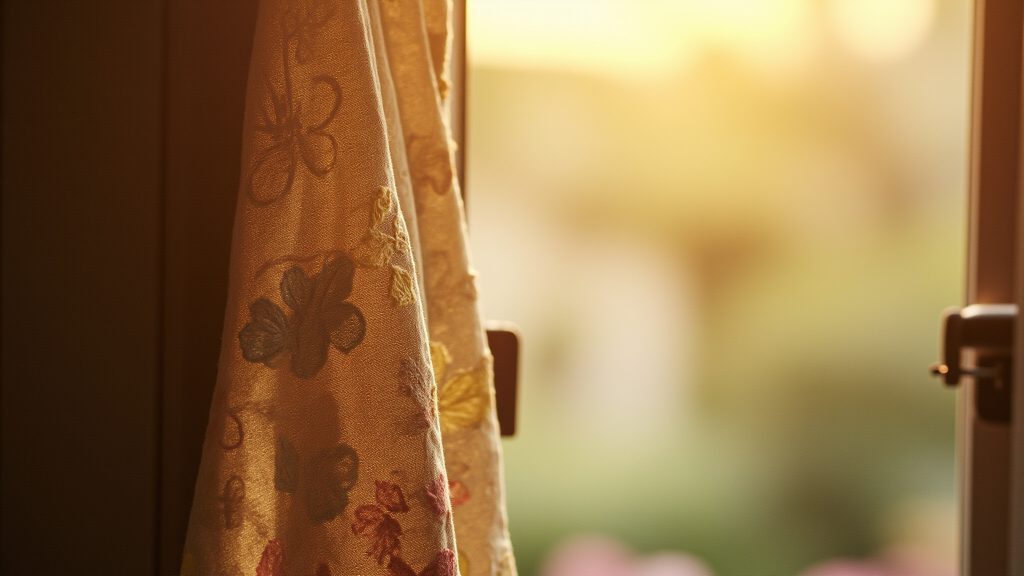
Why Floral Embroidered Aprons Are Trending
Walk into any weekend farmers market or browse a craft fair in Portland or Austin. And you’ll spot them everywhere: the floral embroidered apron, stitched with daisies, peonies, or wild roses, hanging from a vendor’s booth or tied around a barista’s waist.
This isn’t just a passing fad-it’s a quiet rebellion against the sea of mass-produced kitchenware filling big-box stores. A handmade apron carries the unmistakable mark of time and. Intention, the kind of one-of-a-kind piece that no factory line can replicate. Americans are drawn to that authenticity, especially when it comes to gifts.
Whether it’s for a housewarming in the suburbs. A bridal shower in the Midwest, or a Mother’s Day brunch, a personalized apron shows you put thought into the present-not just a gift card though. But the appeal goes beyond the kitchen.
Today’s apron for arts and. Crafts doubles as a studio uniform for painters, a gardening companion for weekend soil-diggers, and a stylish layer for café workers who want utility without sacrificing flair. Social media has poured gasoline on the fire: Instagram Reels and.
Pinterest boards are packed with step-by-step embroidery tutorials, and crafters love showing off their latest floral hoop-to-apron transformations. The result? A trend that feels both nostalgic and. Refreshingly modern-and one that’s only gaining momentum as we head into the holiday gifting season.
10 Floral Embroidery Patterns for Your Apron
Whether you’re stitching a gift for a bridal shower or adding a personal touch to your own kitchen uniform. These floral embroidery patterns range from quick weekend projects to weekend-long labors of love. Each design works beautifully on cotton canvas. Linen, or even a thrifted denim apron you’ve been meaning to upgrade.
Simple Daisies (Beginner) – Lazy daisy stitches form cheerful petals in under an hour. Use a contrasting center knot for a pop of sunshine on a pocket or hem.
Here’s the thing: Lavender Sprigs (Beginner) – French knots clustered along straight-stitch stems create a fragrant-looking design that’s surprisingly forgiving. Perfect for practicing knot tension without perfectionism.
Sunflower Burst (Intermediate) – Satin stitches radiate outward while long-short shading adds depth to the dark center. This bold centerpiece commands attention on a solid-colored apron.
Wildflower Meadow (Intermediate) – Scatter small blooms and leaves organically across the bib or waistband. No two flowers need match, making this ideal for using up thread scraps.
Truth is, Rose Wreath (Intermediate) – Chain stitch and. Stem stitch form a circular frame around a monogram or plain fabric. The repetitive motion becomes meditative once you find your rhythm.
Peony Cluster (Advanced) – Layered petals with intricate shading create a lush, dimensional effect. This is the showstopper pattern for a special occasion apron honestly.
Tulip Trio (Beginner) – Simple stem and leaf stitches get a vibrant upgrade with three bold colors. A great first project for kids or beginners learning to follow a transfer pattern.
Cherry Blossom Branch (Intermediate) – Delicate pink blossoms pair with couching techniques for realistic branches. The result feels airy and spring-like, even in October.
Vintage Rose Bouquet (Advanced) – Combine roses, baby’s breath, and ribbon-like details for a heirloom-quality finish. This design rewards patience with a truly timeless look.
Botanical Herb Garden (Intermediate) – Rosemary, thyme, and sage sprigs bring a culinary theme to life. It’s a thoughtful gift for a home cook who grows their own herbs.
These apron embroidery designs work best with a hoop that fits your workspace and. A water-soluble marker for transferring patterns. For more floral embroidery patterns really. Check your local Joann or Michaels for transfer paper and stabilizer – both essential for keeping your stitches crisp through repeated washings.
Choosing the Best Base Fabric and Stabilizers
The best fabric for embroidery comes down to how your base behaves under the needle. For a linen apron, medium-weight linen (5-7 oz) is a go-to honestly. Its even weave holds stitches crisply without distortion. It breathes well for kitchen wear and softens up nicely over time.
A cotton apron made from quilting cotton or canvas works just as. Well-just pre-wash it to avoid shrinkage that can mess with your finished design.
Don’t skip the embroidery stabilizer. Use tear-away for stable fabrics like linen or canvas, and cut-away for anything with stretch honestly.
This keeps puckering at bay, especially on thin or loosely woven materials. Mark your design with a water-soluble pen or chalk.
And keep it clear of seams and pockets where bulk can distort stitches. If you’re new and worried about puckering, here’s the deal: it happens when fabric stretches.
Hoop tightly, stabilize properly, and your stitches will lie flat every time. For more guidance on fabric and design placement, check out this complete guide to custom embroidery aprons.
Thread, Hoop, and Care Recommendations
For most floral apron patterns. A standard 6-strand cotton embroidery thread from DMC or Anchor gives you the best color range and stitch definition really.
Split the strands as your design demands-use all six for bold French knots on pocket blooms though. Or separate down to two or three for delicate stem stitches and leaf veins. A 6-8 inch wooden or embroidery hoop keeps your fabric taut whether you’re working on a pocket panel or the front bib; plastic versions work just as well and. Resist warping in humid kitchens. When it comes to apron care.
Hand wash in cold water with a mild detergent, or machine wash on gentle inside a mesh bag. Always air dry flat to prevent the fabric from pulling out of shape. Press on the reverse side with a pressing cloth so your stitches stay raised and crisp.
Skip bleach and. Fabric softeners entirely-both weaken cotton floss over time, and softener residue can dull the sheen of your hard work.
Where to Find Free and Paid Patterns
You don’t have to spend a fortune to find a floral design you love. Pinterest is a goldmine for free embroidery patterns-search “vintage floral apron” and. You’ll come across dozens of downloadable PDFs from blogs like Wildflower Embroidery. DMC’s site also has free seasonal charts, perfect for a quick daisy border. If you want something more custom.
paid embroidery patterns on Etsy go for $3 to $12 from independent designers. Just check that sellers include both a full apron pattern and stitch guides.
For those who like to browse in person. Joann Fabrics and Michaels stock pattern books and kits, especially when spring gardening season rolls around.
And don’t overlook community-Facebook groups and Reddit’s r/Embroidery regularly swap patterns. If you’re just starting out, grab a kit that comes with fabric, thread, and a pattern. It’s the simplest way to test a style before you commit to a bigger project. Once you’ve mastered a few designs, you might want to explore how to customize an apron with painting or patching techniques to expand your creative toolkit.
