
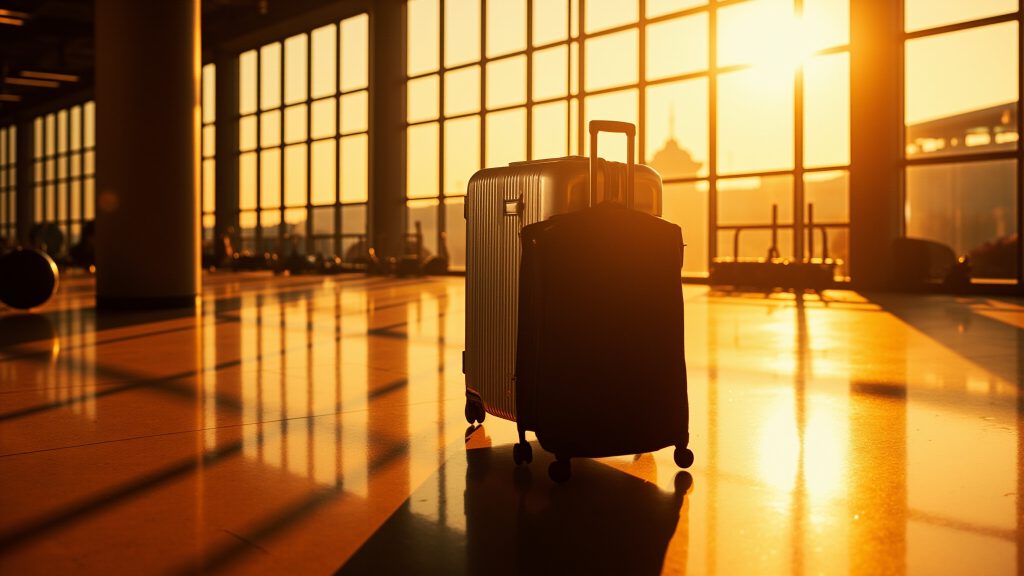
The 5 Bag Size Categories: From Personal Item to Oversized Check-In
Before you buy anything, get familiar with the five main size of travel bags categories. Airlines and. Luggage brands toss these terms around loosely, but knowing the rough dimensions saves you from surprise fees at the gate.
1. Personal Item (under 18 x 14 x 8 inches) This is.
The bag that slides under the seat in front of you. Think a large tote, a slim backpack, or a weekender that’s seen better days. It’s your best friend on a quick flight when you don’t want to pay bag fees. Spirit and Frontier will charge you for anything bigger, so measure twice.
2. Carry-On (around 22 x 14 x 9 inches) The standard for most US airlines like Delta. United, and American.
It fits in the overhead bin and. Works great for a 2-3 day business trip or a weekend getaway. If you’re a “pack light and move fast” traveler, this is your sweet spot. For budget airlines with stricter limits, check out the best 22 inch lightweight luggage options that still meet the rules.
3. Medium Check-In (24-26 inches) This is the sweet spot for a 5-7 day vacation.
It holds about a week’s worth of clothes plus room for souvenirs. Think a stack of tees really. Two pairs of jeans, and that hoodie you bought at the airport gift shop. Most casual travelers find this covers 90% of their trips. If you’re shopping in this range, the best 26-inch hardside luggage for 2026 offers solid picks that balance weight and durability.
4. Large Check-In (27-29 inches) For 10+ day trips. Family vacations, or when you’re packing bulky items like a winter coat or hiking boots. If you’re eyeing the best 27 luggage options, this is the size you’re looking at. It’s big but not monstrous.
5. Oversized (30+ inches) Rarely needed. Only for long-term moves or hauling gear like ski equipment. Expect extra fees at the airport. And honestly, you’ll probably regret it when you’re wrestling it into an Uber. If you truly need this much space, read up on the biggest luggage on the market 2026 to avoid breaking airline rules.
Pro tip: Always check your airline’s specific size limits before buying. Spirit and Frontier have stricter carry-on rules than most. And remember. small medium large luggage sizes aren’t universal, so a tape measure beats a brand’s marketing every time.
Capacity Cheat Sheet: What Fits in Each Size (Using Everyday Objects)
Skip the tape measure. Let’s talk in stuff you actually own though. Here’s what each bag size holds, using everyday objects as your visual reference.
Personal item (think under-seat tote or backpack): 1 pair of jeans. 2 t-shirts, 1 pair of sneakers, and a small toiletry kit. That’s enough for an overnight stay – perfect for a quick. Trip to see family in Ohio or a one-night work thing.
A pair of jeans takes up about the same space as a rolled-up bath towel. So you’re basically packing two towels and a loaf of bread (sneakers are roughly that size) honestly.
Carry-on (the standard 22″ roller): 3-4 outfits – say 3 pairs of jeans and. 4 tops – plus 1 pair of shoes and a 3-1-1 liquids bag. Use packing cubes to compress. And you’ll fit a weekend in Chicago or a three-day conference without checking anything. This is where a small lockable suitcase shines for quick trips.
Medium check-in (the 24-26″ range): 6-8 outfits. 2 pairs of shoes (one casual, one dressy), a jacket, and a full-size toiletry bag. That’s about the volume of a large laundry basket – enough. For a week in Florida or a family visit over Thanksgiving. A 2 wheel medium suitcase handles this size well, especially if you’re rolling through airport corridors.
Large check-in (28-30″): 10-12 outfits. 3 pairs of shoes, a bulky winter jacket, and extra room for a hairdryer or a small laptop bag. Roughly the size of two stacked milk crates. A 2 wheel expandable suitcase gives you that flexibility when. You know you’re coming home with more than you left with.
Visual cheat sheet: sneakers = loaf of bread; winter jacket = throw pillow; jeans = rolled bath towel though.
One rule: you don’t need to fill every inch. Leave 10-15% empty for souvenirs or dirty laundry – future you will be grateful.
Trip-Type Quick-Reference Table: Match Your Bag to Your Plans
Still unsure which bag size fits your trip? This cheat sheet makes it easy. For a 2-3 day business trip. Stick with a carry-on-pack a suit in a garment bag, one pair of dress shoes, and a dopp kit, and you’ll skip the check-in line entirely. Heading to the beach for 5-7 days?
Grab a medium check-in for swimsuits. Cover-ups, sandals, and a light jacket for breezy evenings; a 2-wheel medium suitcase rolls far easier over sand than those flimsy spinners. Ski trips (5-7 days) demand a large check-in-bulky layers. Waterproof pants, and a helmet eat up space fast, so consider a 2-wheel expandable model for that extra room. For backpacking or a road trip (1-2 weeks).
A medium check-in or large backpack works best; focus on versatile layers and a compact toiletry bag since you’re hauling it yourself though. Family vacations (7-10 days) usually mean a large check-in per adult plus a carry-on for kids’ snacks and.
Entertainment-check your airline’s family baggage policy first. One quick rule: if you’re flying budget carriers like Southwest or JetBlue. A medium check-in often costs less than two carry-ons, so do the math before you pack. And when comparing small medium large luggage sizes.
Remember that the best 27 luggage options sit right at the sweet spot for week-long trips without maxing out weight limits.
The One-Bag Method: How to Pack a Medium Suitcase Like a Pro
Packing a 2 wheel medium suitcase isn’t about cramming more in. It’s about being smart with what you bring. Stick to a simple color palette: 3 neutral tops and 2 bottoms that all work together. That gives you 6 outfits from just 5 pieces. So you won’t be staring at your hotel closet wondering what to wear.
Roll your clothes instead of folding them really. You’ll save space and avoid wrinkles. Toss in packing cubes to keep dirty laundry separate from clean stuff.
Wear your bulkiest items on the plane – jeans. A jacket, sneakers – and you’ll free up room inside.
Limit yourself to 2 pairs of shoes: one for walking, one for going out. Stuff socks or underwear inside them to squeeze out extra space really.
For more flexibility, grab a 2 wheel expandable suitcase. Keep it zipped tight when you leave. Then expand it on the way back if you pick up souvenirs.
Before you head out, test your bag at home. If you can’t lift it into your car’s trunk without straining, it’s too heavy for the airport. A small lockable suitcase works fine as a carry-on backup. But for most trips, this medium setup is the sweet spot.
How to Test If Your Bag Fits Airline Sizers Before You Buy
Before you head to the store, check the airline’s size limits online. Most US carriers list them in inches right on their baggage pages really. Write those numbers down before you shop. You’re not guessing; you’re matching. The size of travel bags varies a lot between Delta.
United, and Southwest, so don’t assume one carry-on fits all.
At the store, grab a tape measure and check height, width, and depth including wheels and handles. Those add a sneaky 1-2 inches that can turn a “fits” into a “check it.” If your bag reads 22 x 14 x 9 inches. You’re good for most overhead bins honestly. Push past 24 inches, and you’re looking at a check-in, plain and simple.
Still unsure? Look for a metal sizer frame near the gate. Most airports have them. If your bag doesn’t slide in.
You’ll be checking it at the counter, paying fees, and waiting at baggage claim. To avoid that, go with a hard-shell that has four spinner wheels. They glide through tight aisles and snag less. And if you’re stuck between small medium large luggage sizes, size down.
A medium check-in is easier to lift and really. Less likely to trigger overweight fees than a large one, especially if you’re eyeing the best 27 luggage for a long trip but only packing for a weekend. For more on choosing between shell types, see this hard shell vs soft shell luggage durability breakdown before you commit.
